

By Kavita Reese

Shared from Within Reach Magazine Spring 2026. Read it now!
Everything you need to know about the incredibly inclusive sport of Para Standing Tennis; what it is all about, how to get involved, who to talk to and where to begin…
What is Para Standing Tennis and how does it differ from other adaptive formats?
Para Standing Tennis (PST) is tennis for people of all ages with physical impairments such as limb loss, limb difference, cerebral palsy or short stature who play tennis competitively without the use of a wheelchair. The International Para Standing Tennis Association (IPSTA) is the global governing body for PST. With more opportunities emerging nationwide, players are finding both a welcoming community, a competitive pathway to develop their skills and a chance to compete on the world stage.
How did you and Luca find out about PST and get involved?
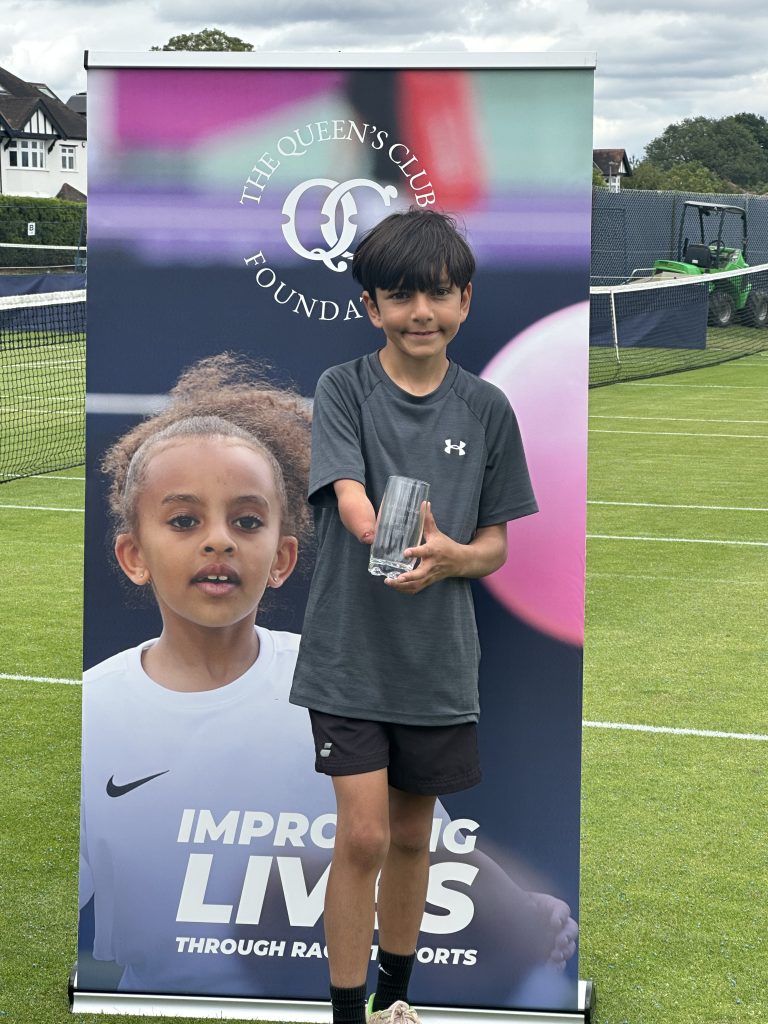
Luca, now just turned 11, first picked up a racket when he was 4 years old and has been passionate about tennis ever since. Luca developed his own style of tennis and never let his limb difference hold him back, rather it empowers him to show what he can do. After entering mainstream junior tennis competitions early in his journey, Luca began exploring PST last year through several LTA Regional Taster sessions. After playing at the Regional event in Surbiton, he was invited to play at the World Championships in Barcelona alongside the GB team and continues to dream big! For Luca the impact of Para Standing Tennis goes beyond the court, “I’ve made lots of friends and got lots of inspiration and confidence from playing with people with limb differences just like me and it’s pushed me to see how far I can take this sport!”
You must be very proud of Luca, how’s the journey been for you?
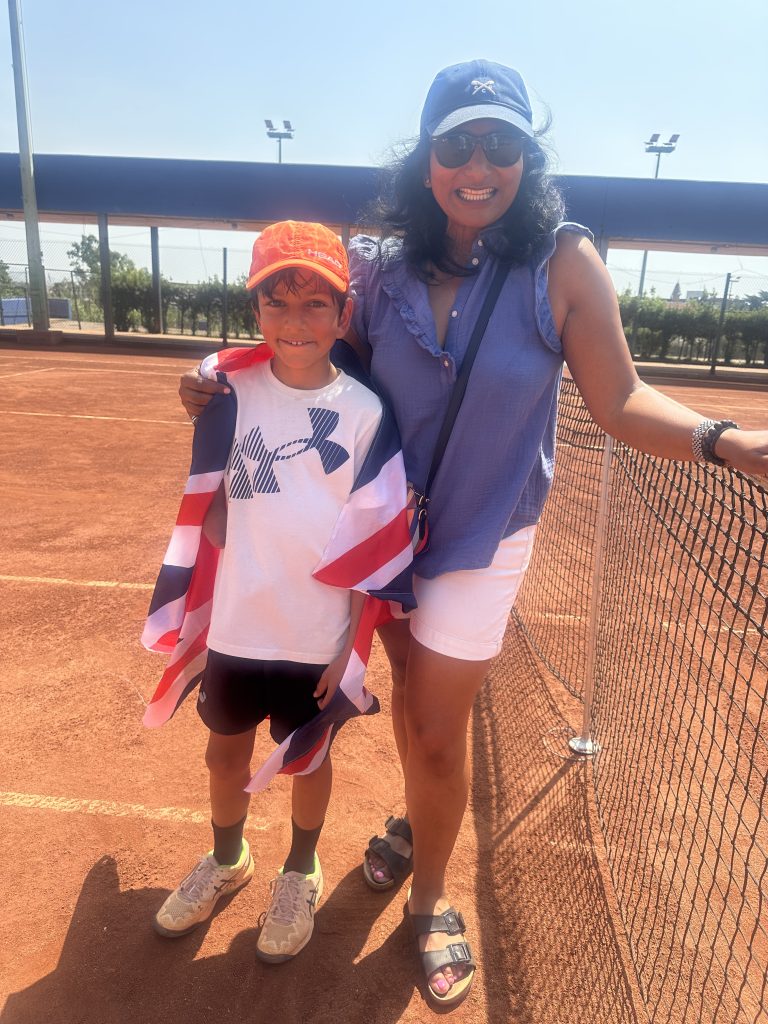
For me, as his mum, our tennis journey from the moment he first picked up a racket, inspired by his big brother, to the first LTA tournament, has been inspiring, challenging and rewarding.
The PST community has been just as important, the warm welcome, support and friendship that we have received from the PST community has been wonderful. It’s been a joy to see Luca grow in confidence and self- belief and I support him all the way.
Kavita, you’re now an IPSTA Officer, what does that mean?
I have now become a IPSTA officer sitting on a subcommittee responsible for player and coach recruitment, helping to promote and support “Come and Try” sessions and to showcase and present the sport. The rapid rise of inclusivity in tennis has been heartening and the drive for PST to achieve Paralympic status is exciting and a testament to all the hard work of the PST athletes, support individuals and IPSTA members globally.
What is the LTA doing to develop PST and inclusivity?
The LTA has recently supported the launch of four new pilot PST hubs, in partnership with: the Queen’s Club Foundation, Hampshire LTA, Gloucestershire LTA and Lancashire & Cheshire LTA. The hubs will build strong, sustainable PST programmes creating active links with National Disability Sports Organisations (NDSOs) and their local networks, ensuring potential players can easily find sessions that meet their needs. The aim is to build a connected thriving community where PST players can feel a true sense of belonging.
How can people try out Para Standing Tennis?
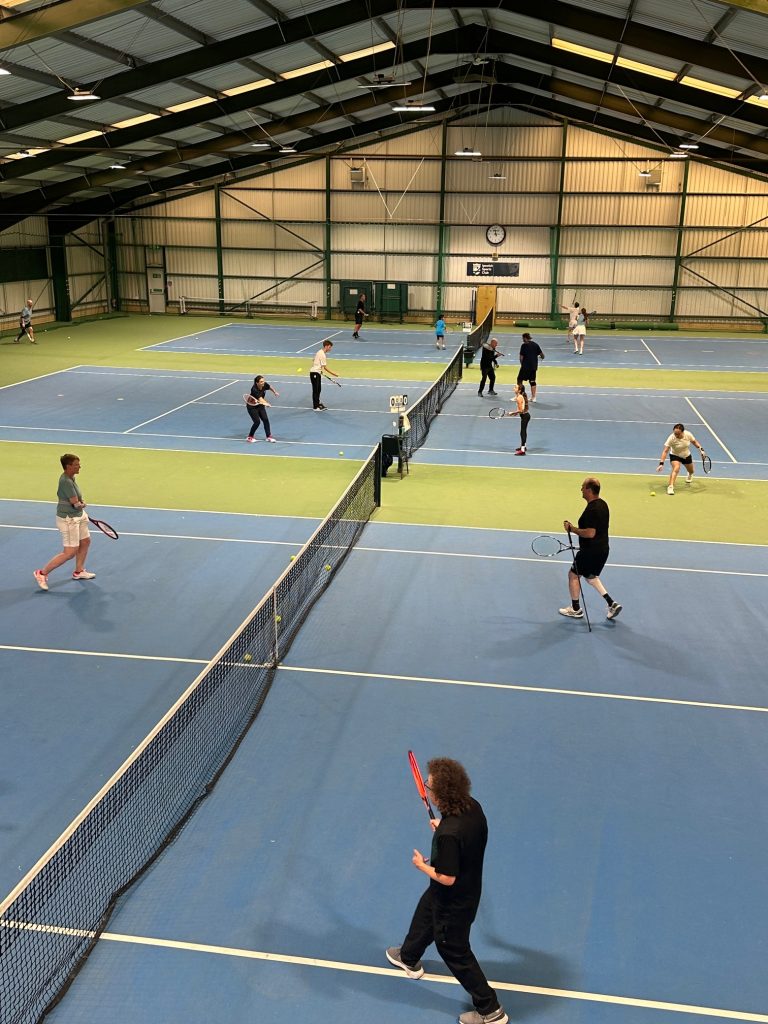
Anyone can give PST a try, at any tennis venue across the country, parks, clubs and community centres. Same court, same balls, same rules (other than 2 bounce rule for some classifications), different attitude! Anyone can do it! Grab a racket, get on court and have fun!
For specific PST sessions or coaching, speak to your local tennis venue or contact your nearest Open Court venue (find on the LTA website) and look out for local “taster sessions” near you. Throughout the year there will be LTA tennis camps in partnership with the Dan Maskell Tennis Trust for players to train and develop their skills.
What are the pathways to progress?
There are opportunities for Para Standing players to enter competitions from beginner level right up to ITF supported European and World level events. To ensure that IPSTA integrate Junior players carefully and in line with safeguarding responsibilities, players must be at least 14 years old to enter IPSTA -sanctioned tournaments (those offering World Ranking Points). Junior events will be either a dedicated Juniors draw or Come and Try sessions depending on number of entries. Entry is via the LTA Competitions website, search for Para Standing.
With IPSTA 500, IPSTA 1000 and World Championships now established, PST is growing quickly with tournaments taking place in the UK at Oxstalls Sports Park, Lee Valley and Birchwood Tennis Centres. June 2026 will see Britain host the Surbiton Trophy Grass Court Championships at the height of the grass court season from 13-16 June.
How can the sport get to the Paralympic Games?
PST already has a research-based classification system, World Rankings and an International Tour. We already have 500+ players from 50+ countries. To achieve the ultimate goal of making PST a Paralympic sport we need to grow the number of players at the grassroots level even further, especially among women and less well represented categories, and achieve formal recognition by the ITF (International Tennis Federation).
IPSTA members are raising awareness amongst players and coaches, whilst funding has been made available by the LTA to kickstart projects and to support coaches in the first steps. Tennis clubs and coaches who want to get involved can find support on the LTA website under Inclusive Tennis and select PST. Venues can set up PST taster sessions by applying to be part of the LTA Open Court programme. Coaches who want to adapt their tennis sessions can check out the PST Factsheet or contact their local Open Court programme. Support is also available from the IPSTA Recruiting and Coaching Subcommittee at info@parastandingtennis.com.
How can the wider community and clubs and charities like Reach help?
Reach parents and friends can help clubs understand more about limb difference and support the development of opportunities through the EDI (Equality, Diversity and Inclusivity) initiatives in their own local clubs and look for existing Open Court programmes or encourage their clubs to get involved.
I will also be notifying regional Branch Coordinators of sessions as and when they arise in their area or you can contact me at the email above.
Together: Let’s challenge perceptions and celebrate limb difference!
Read the full Within Reach Magazine Spring 2026!