
By Rosalind Clarke
Shared from Within Reach Magazine Spring 2026. Read it now!
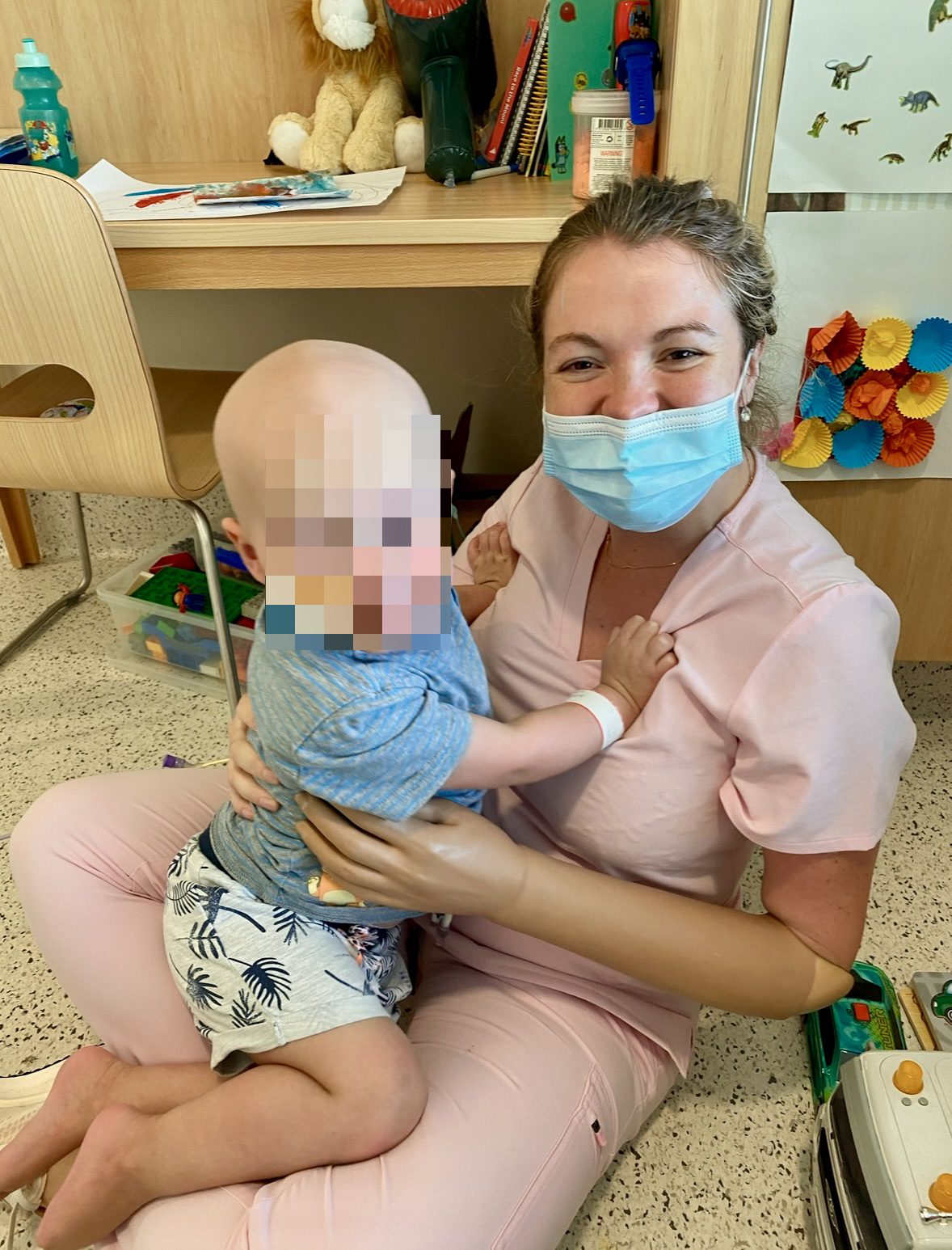
Hi, my name is Rosalind Clarke, and I have been working as a paediatric nurse since 2013, having started my training in 2010 in Glasgow.
I was born with a limb difference; I’m missing part of my hand, with my arm ending just below the elbow. I’ve worn a prosthetic arm since I was five months old, so I’ve never known life without it.
Growing up, I was able to do most things my older brothers could. I learned to ride a bike before one of them. I’ve climbed walls and I can swim (even if not very well!). I’ve always adapted and found my own way of doing things, even when the world questioned whether I could.
I grew up in a family of nurses—my mum, grandmother, and great-grandmother were all in the profession. I loved playing “nurse” when I was little, and my dad says that when I was about eight, I came downstairs in the middle of the night to “care” for him after a procedure. He believes nursing is in my blood.
Despite that, I never thought nursing would be possible for me. I assumed it was a two-handed job, and I only had one hand—so how could I ever do it?
I didn’t believe I could be a nurse until I was about 15, when I was discussing career options with my mum. She suggested nursing, and I immediately dismissed it. My mum, Lainey—being the wonderfully supportive person she is—told me I could do anything. I joked that I couldn’t even make a bed (I didn’t do many chores!) and challenged her to try it with one hand. She gave it a go, putting one arm behind her back, but it wasn’t quite the same—I use my prosthetic and rely heavily on my right hand. Still, I enjoyed watching her try!
That was the first time I considered that nursing might be possible. When applying for university, I knew I wanted to work with children in a caring role, so I applied for Occupational Therapy and Child Nursing. I was convinced I wouldn’t get into nursing, so I was surprised to receive an unconditional offer. I made sure to clearly highlight my limb difference in my personal statement.
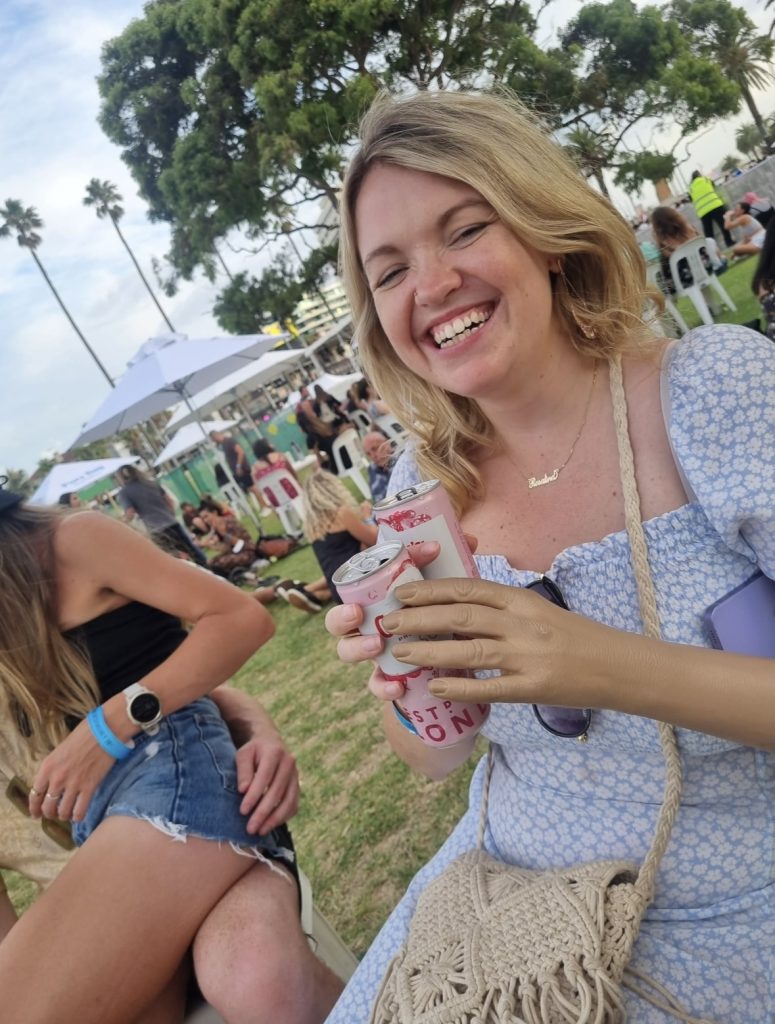
Although I had many friends growing up, I was also badly bullied, especially in high school. I became very insecure about my arm and often hid it under long sleeves—even wearing cardigans in hot, crowded clubs. It’s only in the last five years that I’ve healed that part of myself and feel comfortable wearing what I want. Bullying, stares, and whispers can take a lasting toll.
In September 2013, I started university. As part of the pre-course requirements, I attended a health screening with an occupational health nurse. She had already formed an opinion about my abilities as soon as I mentioned my limb difference.
“How are you going to do this? How are you going to do that?” she asked, questioning everything from opening ampoules to performing sterile procedures—before I had even stepped into a clinical lab. She threw a syringe packet at me and told me to open it. At 19, I had never handled one before. Nervous and unsure, I fumbled and opened it incorrectly.
She concluded that I wouldn’t be able to do nursing. It was clear she had made that decision the moment she saw me. This was my first experience of discrimination in healthcare because of my limb difference.
Fortunately, I have an incredibly supportive mum. She was horrified by how I had been treated and contacted the university. She has long been involved with Reach and began researching other healthcare professionals with similar conditions. She knew of an anaesthetist with a limb difference who only wore a prosthetic for specific procedures.
Because I failed the health screening, I was referred to an occupational health doctor, who was the complete opposite experience—kind, supportive, and open-minded. She acknowledged there might be challenges but emphasised that reasonable adjustments could help me succeed. She also created a resource pack with examples of other professionals with limb differences, to support future students.
Unfortunately, this was just the beginning of the ableism I would encounter during training.
I had assumed that lecturers and placement mentors would be aware of my limb difference, but that wasn’t the case. On my first placement in a paediatric emergency department, the staff were supportive but initially surprised. With guidance from a practice facilitator, I was able to meet expectations, including hand hygiene and clinical tasks. The team at Glasgow Children’s Hospital were incredibly supportive throughout my training.
During my only adult placement, I worked with a mentor who had clear doubts about my abilities. She questioned even simple tasks, like putting on an apron or emptying food waste. One day, overwhelmed, I broke down in tears on the ward, explaining how difficult it was to be constantly scrutinised.
This led to a meeting with the university, who strongly supported me. Once my mentor saw what I was capable of, her attitude changed. I’ll admit—I do get some satisfaction from proving people wrong!
The university provided exceptional support. I had one-to-one clinical lab sessions with lecturers, where I could practise skills in my own way—whether injections, blood pressure, or sterile procedures. I could do everything; it just sometimes looked different or took a little longer. I passed all my clinical assessments without issue.
However, during a later community placement, I experienced the most severe ableism. My mentor openly doubted me, saying I wouldn’t be able to perform tasks like IVs or blood draws and that I would become a burden on the ward.
This deeply affected me. I began to question whether the stress was worth it and whether she might be right. She even considered contacting the university to fail me—despite the placement being less hands-on and her concerns not aligning with my level of training.
Thankfully, my university facilitator intervened, ensuring I was assessed fairly. Ironically, every skill she doubted, I mastered soon after qualifying.
After that placement, the university introduced pre-placement meetings to anticipate challenges and ensure appropriate support. I went on to complete placements in NICU, cardiac, neuro, orthopaedics, and oncology, achieving all required competencies. Eventually, it was agreed that no additional adjustments were needed.
Although I received extensive support, I kept much of it private from peers because I just wanted to be treated like everyone else.
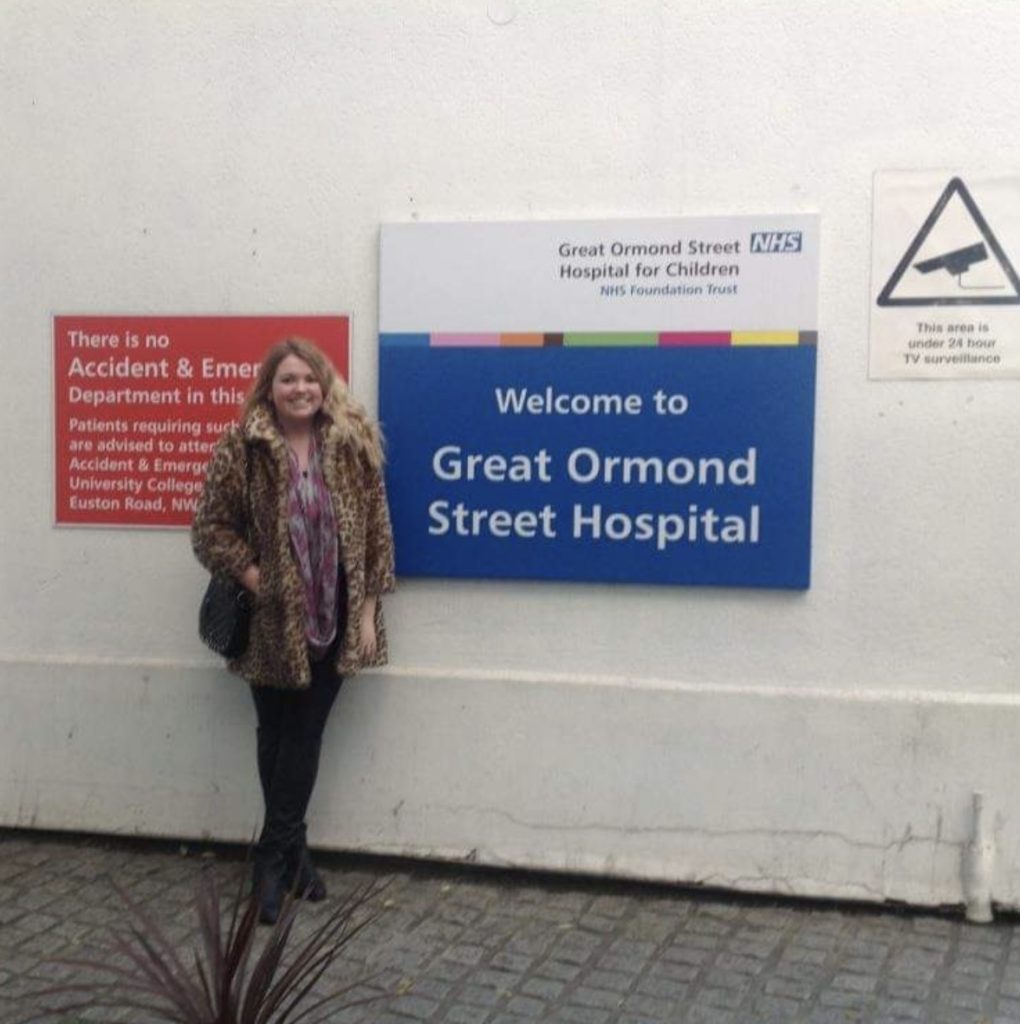
I qualified as a paediatric nurse 13 years ago and had always dreamed of working at Great Ormond Street Hospital. I still felt nervous applying for jobs, as being a student is very different from being fully qualified.
I was offered roles in both oncology and surgical nursing. The oncology position required me to complete a clinical skills assessment in London to prove I could perform IVs. Feeling fatigued from constantly having to prove myself, I chose the surgical role instead.
I moved to London that December and began working in a highly hands-on environment, caring for patients requiring ventilation and complex care. I was able to perform all required tasks and felt well supported. One nurse educator even commented that my aseptic technique was better than some colleagues with two hands.
In 2014, I returned to Glasgow and rejoined the ward where I had trained. There was never any question about my ability. While I’ve generally felt supported in the UK and Australia, I still occasionally encounter comments questioning what I can do.
But the truth is: I don’t nurse with one hand—I nurse with two. I just do things differently.
I believe people need to broaden their understanding of what ability looks like. It may take me slightly longer at times, but I can do the job. It’s 2026—it’s time we stop questioning that.
Lack of representation remains a significant issue. Many people may be discouraged from pursuing healthcare careers due to fear of discrimination. While representation is improving, more of us need to share our stories. I’ve worked alongside other healthcare professionals with limb differences and conditions such as hemiplegia who are exceptionally capable. These are the stories we need to hear more often.
For me, wearing a prosthetic is a reasonable adjustment—but not everyone with a limb difference needs one. That choice should always be individual.
I am now a clinical nurse specialist and clinical nurse consultant in Melbourne, Australia. I perform all expected tasks, including venepuncture, finger-prick tests, port access, CVAD dressings, and injections—even with complex paediatric patients.
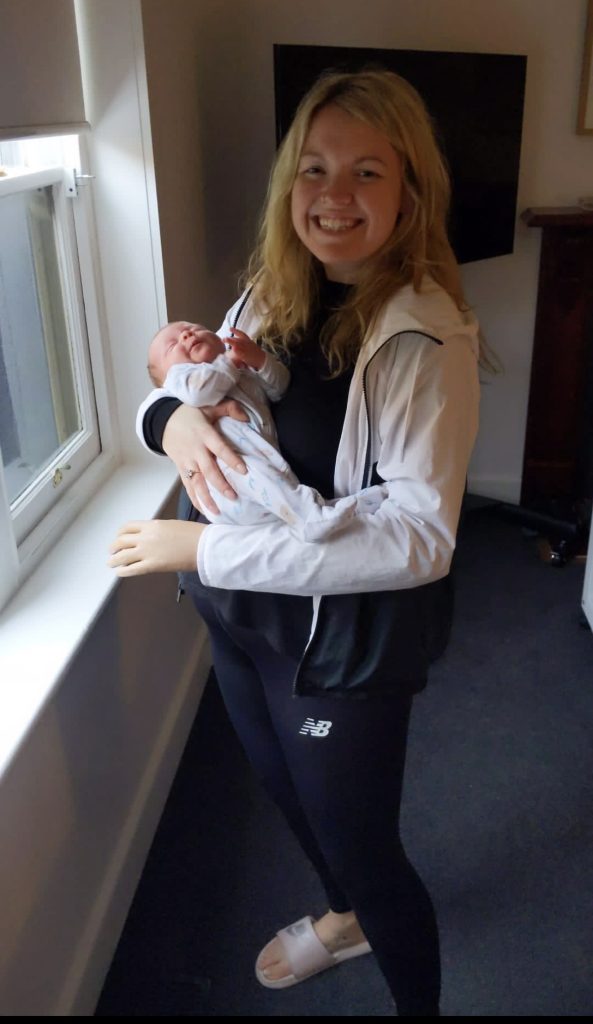
The purpose of this essay is simple: to show that we can. You wouldn’t question a student with two hands about their ability to perform IVs—so why question someone with a limb difference?
We need to challenge assumptions and give people the opportunity to prove themselves. Everyone deserves to be treated with respect and recognised for their abilities.
I often reflect on the support I received from Glasgow Caledonian University and the incredible mentors who gave me the space to succeed. Their belief in me made all the difference.
I’m sharing my story in the hope of inspiring future nurses and healthcare professionals. With the right support and mindset, anything is possible.
It’s vital that we continue to champion and advocate for people with limb differences—because we are more than capable.
Read the full Within Reach Magazine Spring 2026!