

By Tony Addison | Adult Reach Member & Co-Founder of the 18-25 Programme
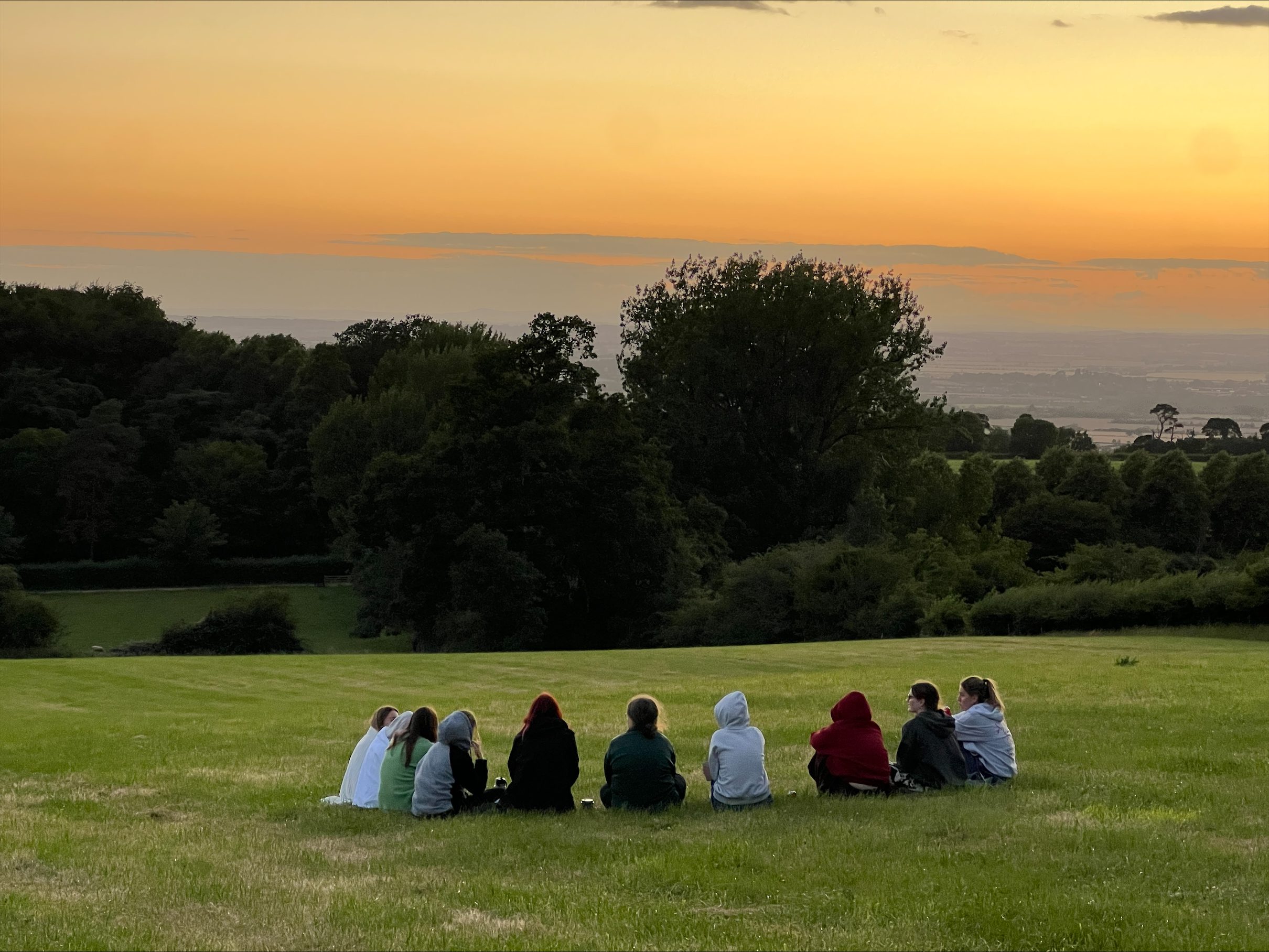
When a child with an Upper Limb Difference (ULD) navigates school, there’s often an unwritten level of protectiveness that surrounds them. Parents step in, teachers are briefed in advance, and the awkward questions from strangers are intercepted before they land.
Then the last day of 6th Form or College soon arrives and the countdown to their 18th birthday begins.
Almost overnight, that protective buffer disappears. As one young Reach adult put it: “When you’re a kid it’s probably written down, people know about it, none of the questions come to you. When you turn 18, that stops. It’s the first time in life that you’re seen on your own, the questions come to you, and you’re expected to go into new rooms and be able to do everything or explain it”.

Entering adulthood can be daunting. Moving away from home, stepping into University lecture halls, sitting across from intimidating interview panels, and navigating the vulnerable world of dating – it places an intense, mental and emotional demand on young people with visible differences. Many find themselves as the only person in their workplace, lecture hall, or entire town with an ULD, leading to quiet isolation and social self-limitation.
To address this critical transition, Reach launched the 18-25 Programme as part of its five-year Reaching Out initiative – signalling a strategic transition from a purely parent-led organisation to one that provides lifelong community and support.
Funded by The VTCT Foundation and The National Lottery Community Fund, and rigorously evaluated in partnership with Durham University, Year 1 of the programme has completed its first cycle. The findings demonstrate that when young people are given a psychologically safe space among peers who share their lived reality, the impact reaches far beyond basic mentorship.
Connection, Mentoring, and Safeguarding

The 18-25 Programme was built around an evidence-based, community-of-practice model rather than a top-down exercise. The pilot year combined two core delivery elements:
- An intensive 4-day residential retreat in Devon, bringing participants together to break isolation, build vulnerability, and establish relational trust.
- Nine monthly online mentoring workshops, covering vital developmental themes including self-esteem, body image, handling the inner critic, workplace adjustments, and navigating romantic relationships.
Delivery was led by a volunteer cohort of adult mentors (aged 26–45) with lived experience of upper limb differences, supported operationally by Programme Coordinator Jenna Roper. Crucially for trustees and funders, clinical safety was prioritised from day one: mentors received monthly professional supervision and counselling through New Pastures Therapies, ensuring clear boundaries between developmental peer mentoring and therapeutic care.
The Value of Belonging
Working alongside the mentoring team, Durham University captured baseline and endpoint psychometric data across validated measures – including the Rosenberg Self-Esteem Scale (RSES), the Functionality Appreciation Scale (FAS), and the Short Warwick & Edinburgh Mental Wellbeing Scale (SWEMWBS).
The evaluation revealed four crucial insights:

1. Empathy Trumps Sympathy
While 100% of mentees reported strong support from loving parents and friends, they highlighted that well-meaning families often inadvertently heighten pressure by attempting to solve problems too quickly or advising them to “just be normal”. In contrast, being mentored by adults who share the same physical difference offered an immediate, validating release valve. As one mentee reflected: “Just to get it off my chest and have someone agree with me, validating that I’m not overreacting”.
2. Functionality over Aesthetic Standards
Mentees entered the programme with significantly higher “functionality appreciation” scores than standard undergraduate populations, focusing on what their bodies can achieve rather than aesthetic standards. By focusing discussions on practical adaptation, problem-solving, and driving adaptations, the programme reinforced this physical pride, helping to buffer participants against toxic appearance culture on social media.

3. Stability in the Storm
During Year 1, participants experienced major life upheavals – five changed their living situations, three moved away from family homes, and several entered new workplaces or higher education. In this context of acute transition, maintaining stable mental health and consolidating self-belief is a major clinical and developmental success. The programme functioned as an anchor while their external worlds were shifting rapidly.
4. The Two-Way Benefit for Mentors
Mentoring did not just benefit the young adults – it generated significant personal growth for the mentors. Adults in their 30s and 40s found that holding space for younger peers allowed them to reframe decades of their own concealed struggles, building leadership skills, self-worth, and a renewed sense of disability pride.
Looking Ahead to Year 2
Year 1 laid the foundational infrastructure – Year 2 is already demonstrating scale and maturity.
Responding directly to mentee feedback, the 2026 Retreat was moved forward to June in Gloucestershire to avoid academic term conflicts. Attendance doubled to 16 young adults, split evenly between men and women. Significantly, eight returning mentees from Year 1 attended to welcome and anchor eight completely new participants – proving that the programme has created an organic, self-sustaining community of practice.
The curriculum has been refined to include gender-specific discussion spaces, sensory-considered environments, and tailored tracks recognising the developmental difference between an 18-year-old leaving home and a 24-year-old negotiating workplace promotions.

Lifelong Flourishing
Without doubt, the first-year of the 18-25 Programme has delivered a clear proof of concept. As a peer-led, clinically supervised community intervention it fills an unmet developmental gap for young Reach adults. It has given our people the practical scripts, somatic resilience, and self-advocacy skills needed to secure employment, navigate higher education, and claim their place in society without apology.
As one mentor captured at the close of Year 1: “Four years ago, this was a PowerPoint presentation – now it’s three years of mentorship, joy, and love”.
With continued backing, Reach is not just running an annual retreat – we are building a sustainable ecosystem of confidence, agency, and lifelong connection for every generation to come.
Special thanks to author Tony Addison | Adult Reach Member & Co-Founder of the 18-25 Programme